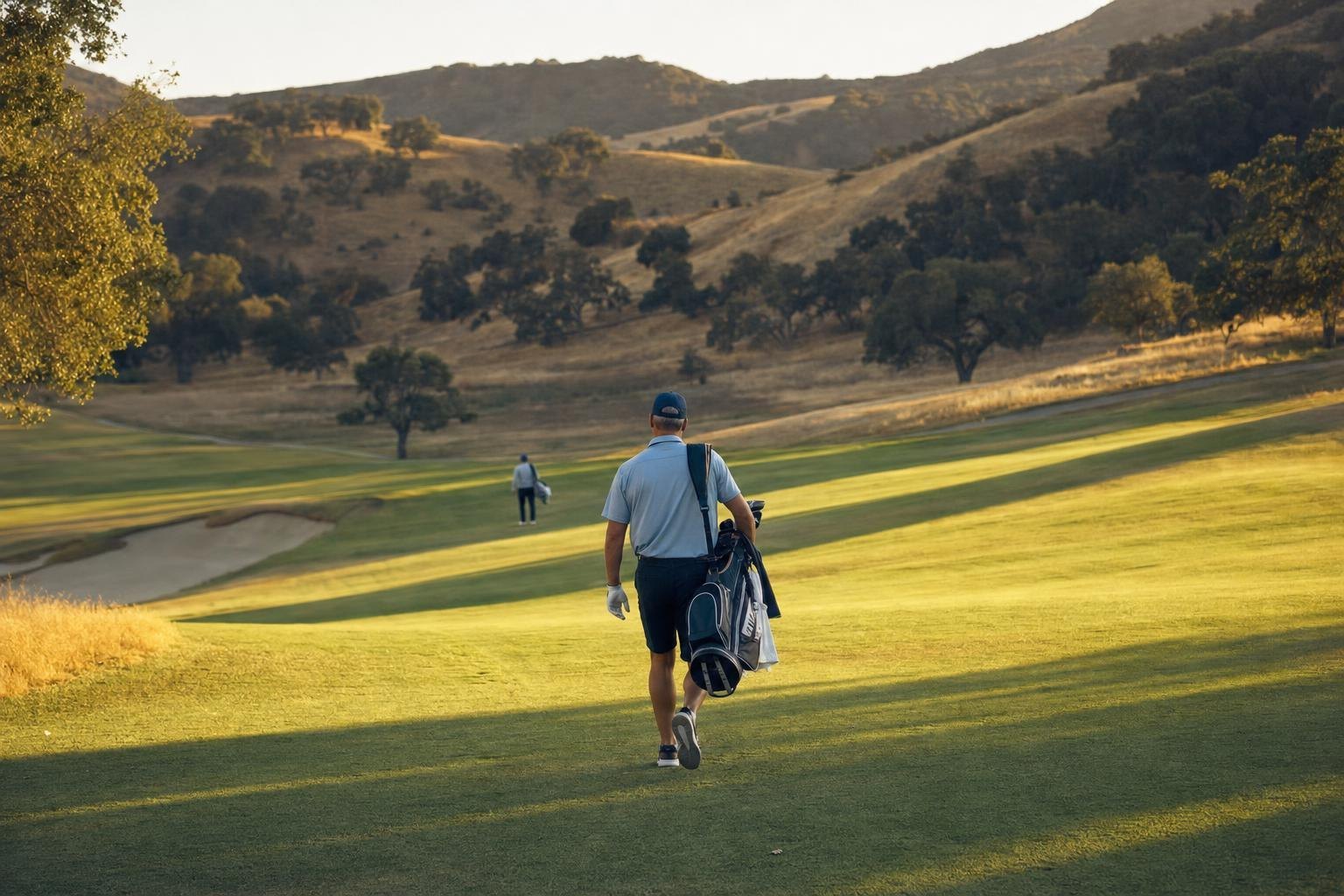
Course tour
Eighteen holes, one ranch
Hole by hole through the original layout: the river run, the corral, the long view and the climb to Eagle’s Nest.
Walk the course
Rancho San Marcos golf course sits on Highway 154 above Santa Barbara, on ranch land beside Lake Cachuma. Robert Trent Jones Jr. laid out the course, which opened in January 1998, closed in 2020 and came back in April 2025 with nine holes in play. This independent guide covers the layout, the original eighteen holes, the green fees and the long history of the ranch.
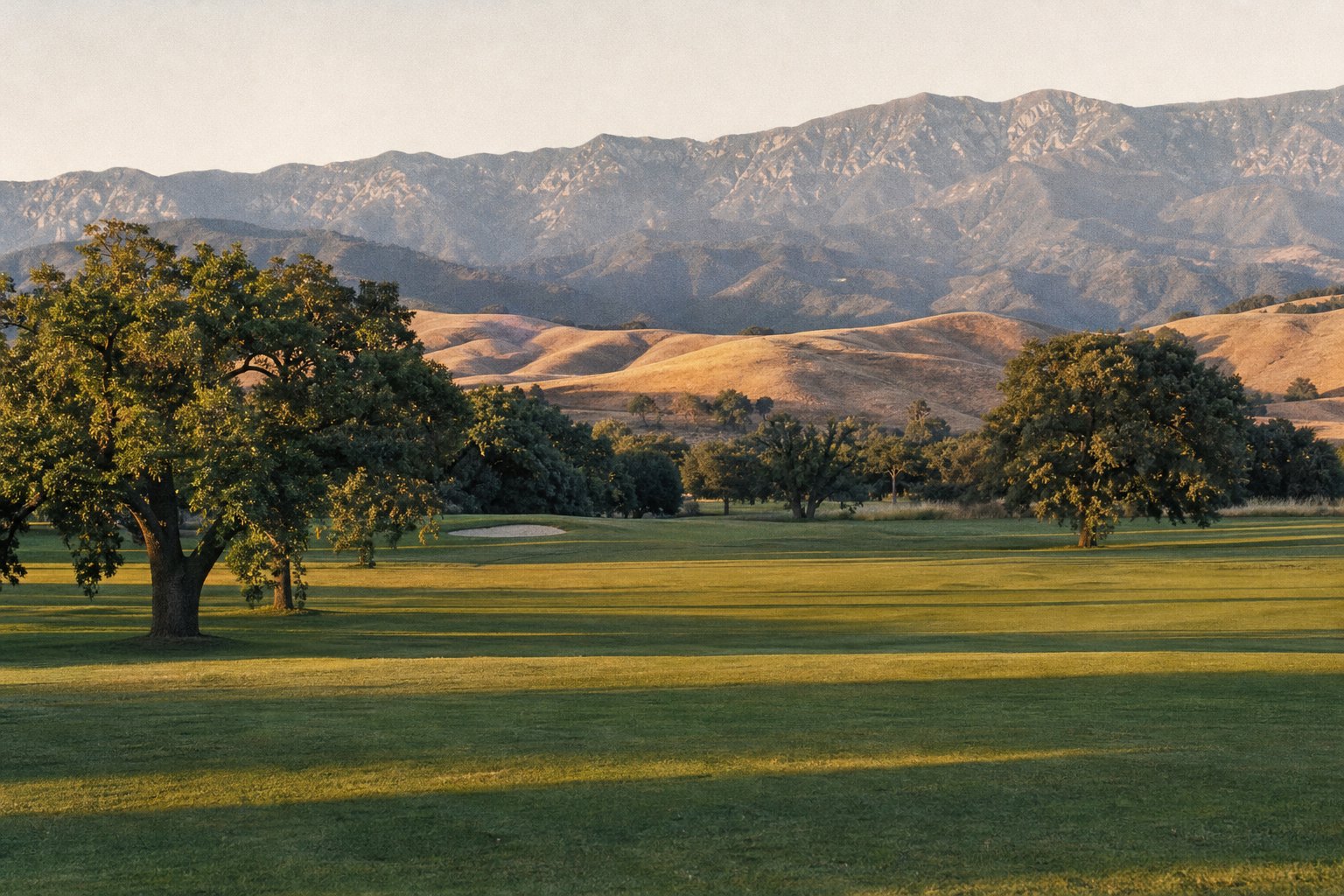
Rancho San Marcos golf course occupies about 300 acres of old ranch land on Highway 154, the road that climbs from Santa Barbara over San Marcos Pass and drops into the Santa Ynez Valley. The address is 4600 Highway 154, and Lake Cachuma lies just beyond the ridge. Downtown Santa Barbara is roughly twelve and a half miles away.
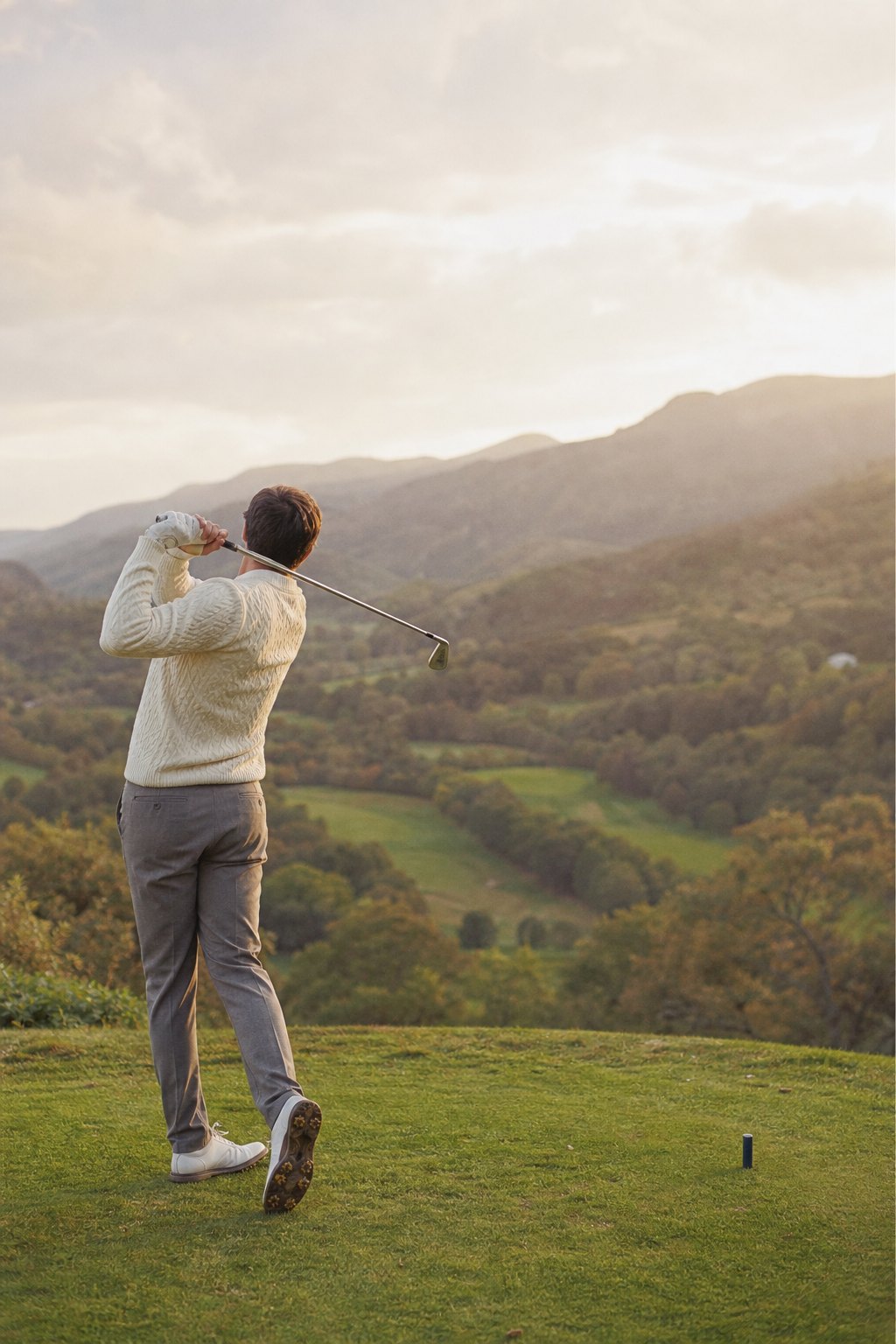
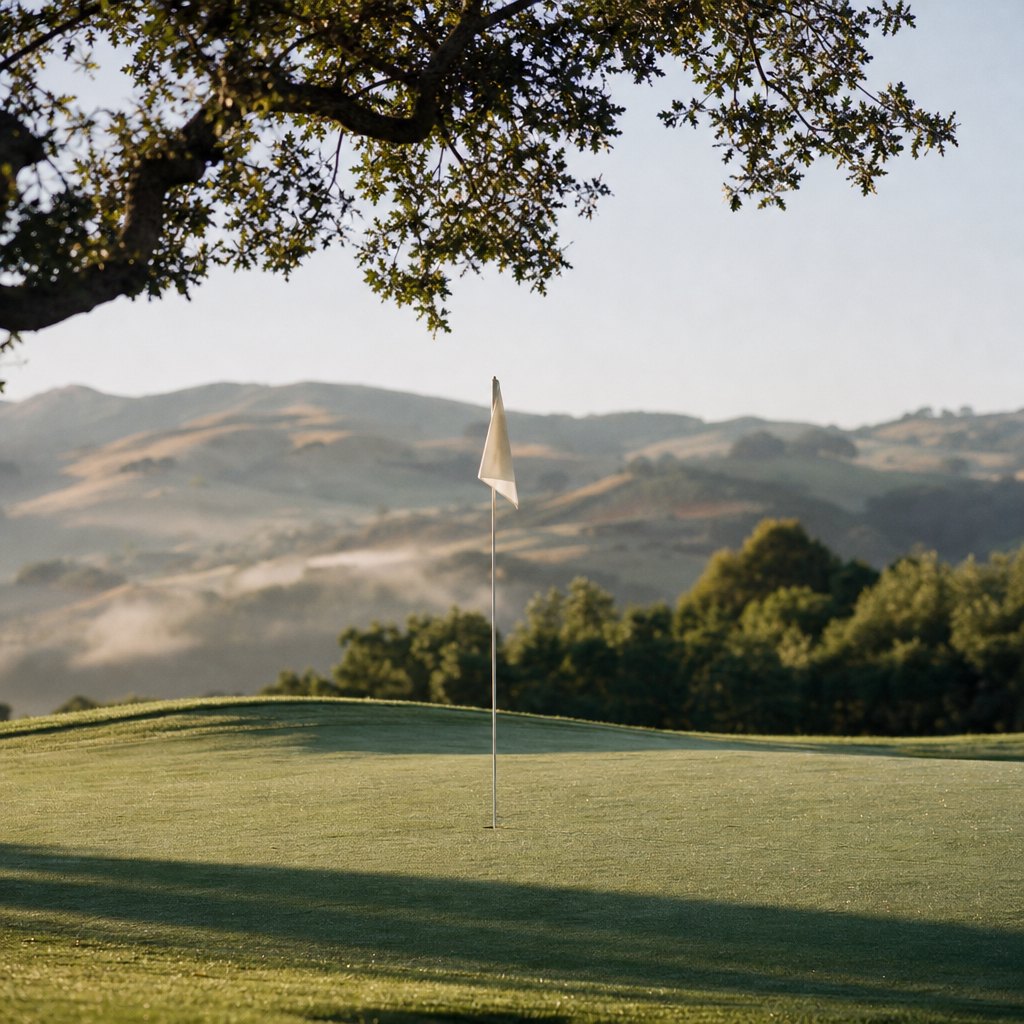
The Rancho San Marcos Golf Course was designed by Robert Trent Jones Junior, who routed it through three distinct bands of ground: the flat valley floor along the Santa Ynez River, a middle band of rolling oak country, and a high ridge that looks out over the lake. Nineteenth-century adobe structures, a section of the original stagecoach trail and some very old valley oaks were kept inside the routing instead of being cleared away.
The course opened in January 1998. On the original card it played to a par of 71, split 35 on the front nine and 36 on the back, and measured 6,939 yards from the black tees. Some later sources print 6,800 or 6,817 yards, but the scorecard itself is the document to trust.
A few numbers from that card:
Before the closure the course collected a steady run of awards. Golf Magazine put it on its Top 10 Places to Play list in 2002, and Golf Digest’s Places to Play guide gave it four and a half stars in 2003, 2004, 2008, 2009 and 2010. Greenskeeper.org named it number one in Southern California in 2004 and, from 2008 to 2011, gave it the best playing conditions in Santa Barbara County. The 2007 renovation made Golf Inc.’s shortlist for Renovation of the Year in 2008.
The full layout, with routing notes and what changed after 2025, is on the golf course overview. The rest of this page follows the order most visitors ask about: whether the course is open, what the holes are like, where the place came from and what a round costs.
Rancho San Marcos closed in 2020. For about five years the gates stayed shut while work went on, and in April 2025 the course reopened as a nine-hole layout. Noozhawk reported the reopening in May 2025, and the local news site Siteline had covered it a few weeks earlier. Tee times were taken from the first week.
The nine in play follows the front-nine ground of the original course. It measures 3,501 yards from the back tees and 2,666 from the front, and plays to par 35. Golfers who want a full round go around twice; the course sells that as a replay rate. The general manager, Steve Battaglia, has said he expects Rancho San Marcos to stay at nine holes, so anyone hoping for the back nine to return should treat that as an open question, not a plan.
The course is run separately from this guide and publishes its own rates, hours and tee-time details on the course's official website. As listed there in October 2026, it opens Wednesday through Sunday from 7 am to 4 pm. Days and hours have already changed once since the reopening: the 2025 press said Thursday to Sunday.
House rules posted by the course are short. No dogs, no coolers and no outside drinks. There is a practice green, a chipping area and a small range.
Current prices, cart fees and the old 2019 rate sheet for comparison are on the course rates page. Prices quoted anywhere in this guide carry the month they were checked, because they move.
Everything worth knowing before the first tee.
Hole by hole through the original layout: the river run, the corral, the long view and the climb to Eagle’s Nest.
Walk the course
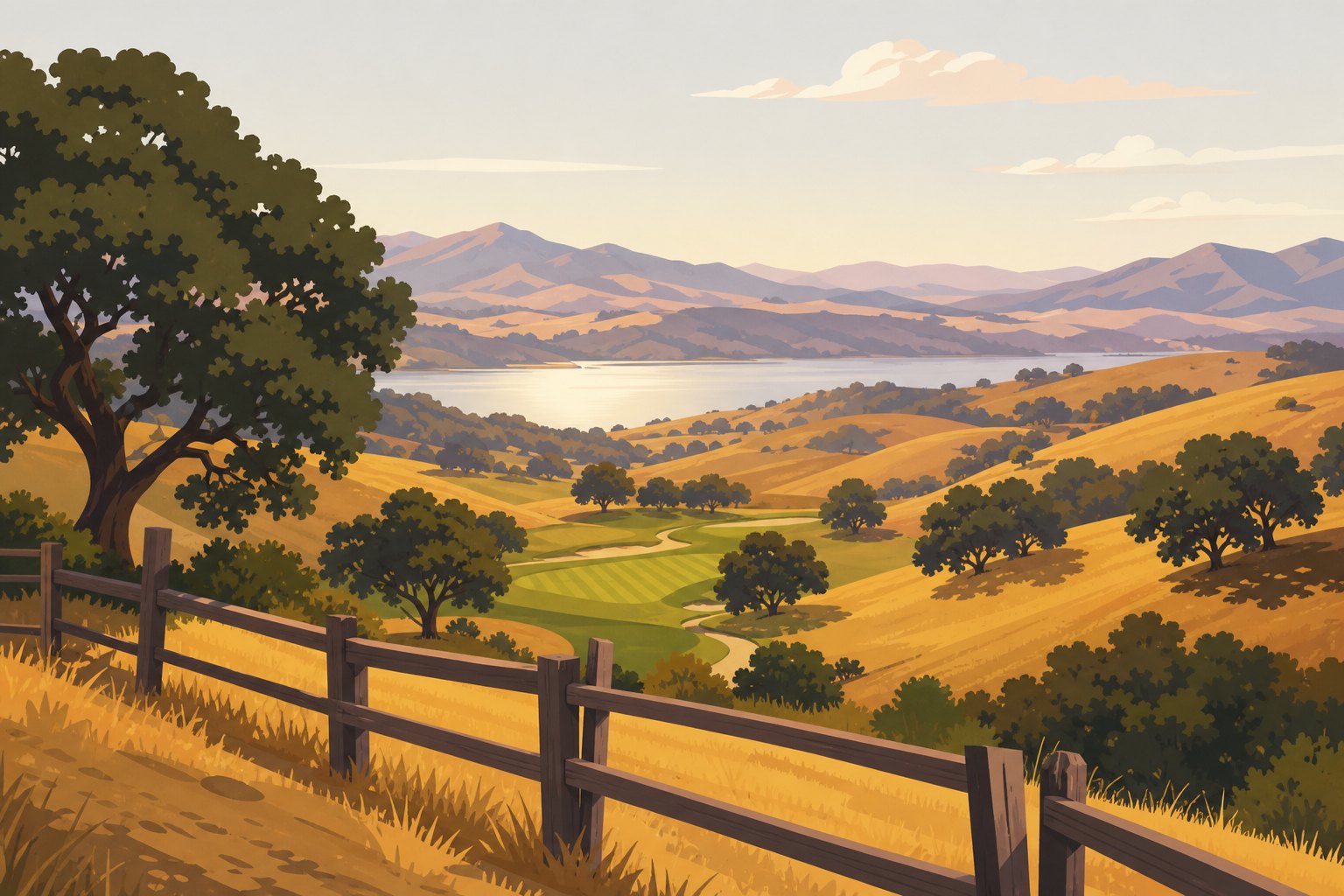
Every hole on the original Rancho San Marcos card had a name, and most of them point to something on the ranch or in its history. The opener, Vineyard, was the longest hole on the course at 635 yards from the black tees, a par 5 that set the tone for a long day. Paradise, a 202-yard par 3, followed straight after.
Further out, Long View at the 6th stretched to 629 yards and carried the number one handicap, which made it the hardest hole on the card for men. Davy Stables closed the front nine, a 420-yard par 4 that shared its name with Davy’s Stable Cafe, the lunch spot that once served the course.
The back nine climbed. Hot Springs and Old Headquarters led into Santa Ynez, a 528-yard par 5, and then into the short holes on the high ground: Mesa at 139 yards, the shortest test on the card, and Eagle’s Nest at 175. Bear’s Back, a 443-yard par 4, carried the number two handicap. The round finished with Stagecoach, a name that recalls the old turnpike across the ranch, and Los Padres, a 542-yard par 5 that shares its name with the national forest in the mountains to the north.
| Hole | Name | Par | Black (yd) |
|---|---|---|---|
| 1 | Vineyard | 5 | 635 |
| 6 | Long View | 5 | 629 |
| 13 | Mesa | 3 | 139 |
| 15 | Bear’s Back | 4 | 443 |
| 18 | Los Padres | 5 | 542 |
The par 3s deserve a word of their own. There were six of them on the card, three on each nine, an unusual number for an eighteen-hole course, and they ran from Mesa at 139 yards to San Fernando at 223. Two of them, Paradise and Figueroa, measured 202 yards from the black tees, which made the short holes on the front nine anything but a rest. The par 5s came in a different rhythm: three of them sat on the back nine against two on the front, which is why the in-nine carried a par of 36 to the out-nine’s 35. Six par 3s and five par 5s on one card gave the round an uneven, ranch-road kind of tempo.
The hole-by-hole course tour walks all eighteen in order, and the Rancho San Marcos scorecard sets out every tee, par and handicap from the original card. Only nine of those holes are in play today, so read the tour as a record of the full design.
Three holes that define the card.
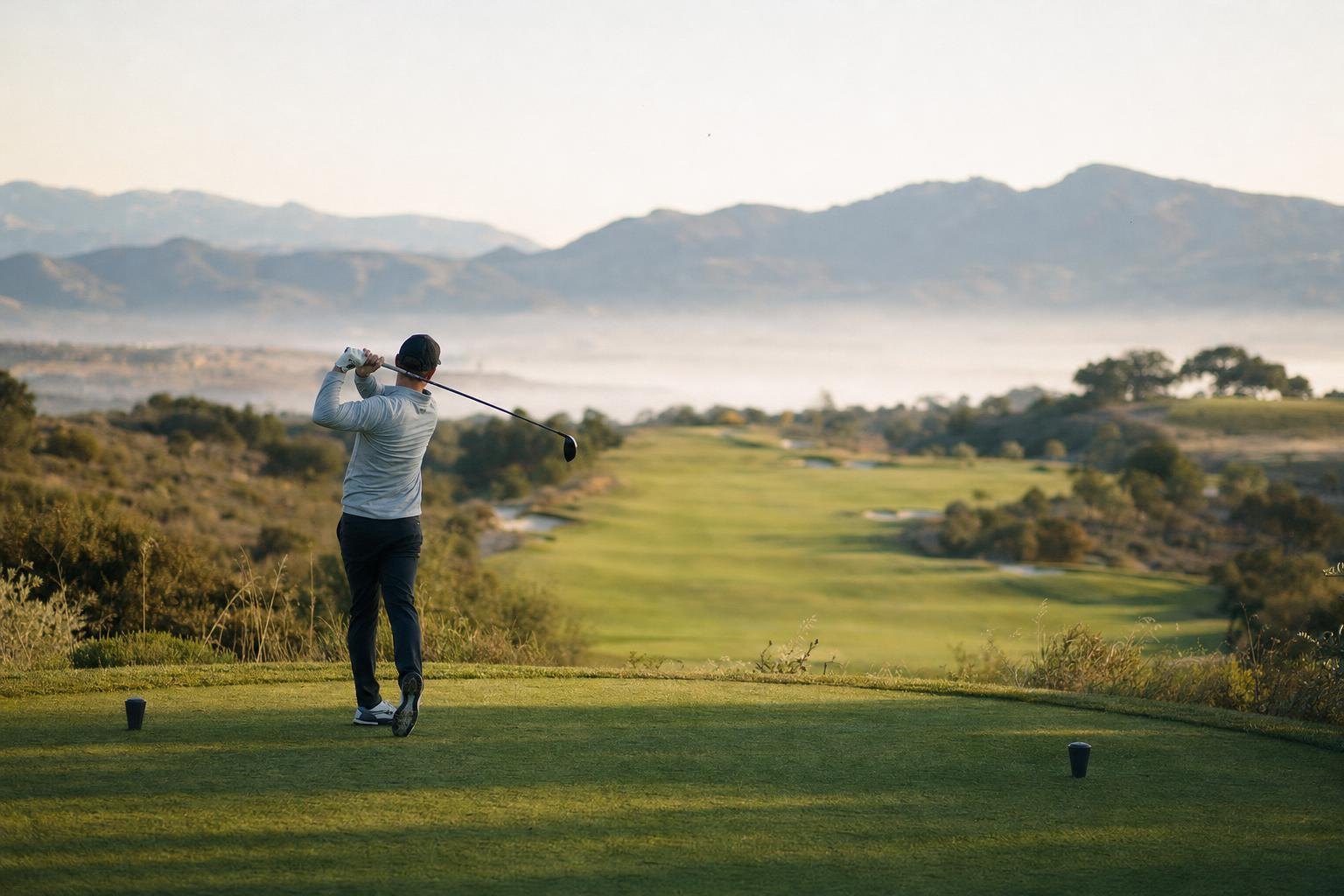
A par 5 of more than 600 yards from the back that opens toward the mountains; the hardest hole on the card.
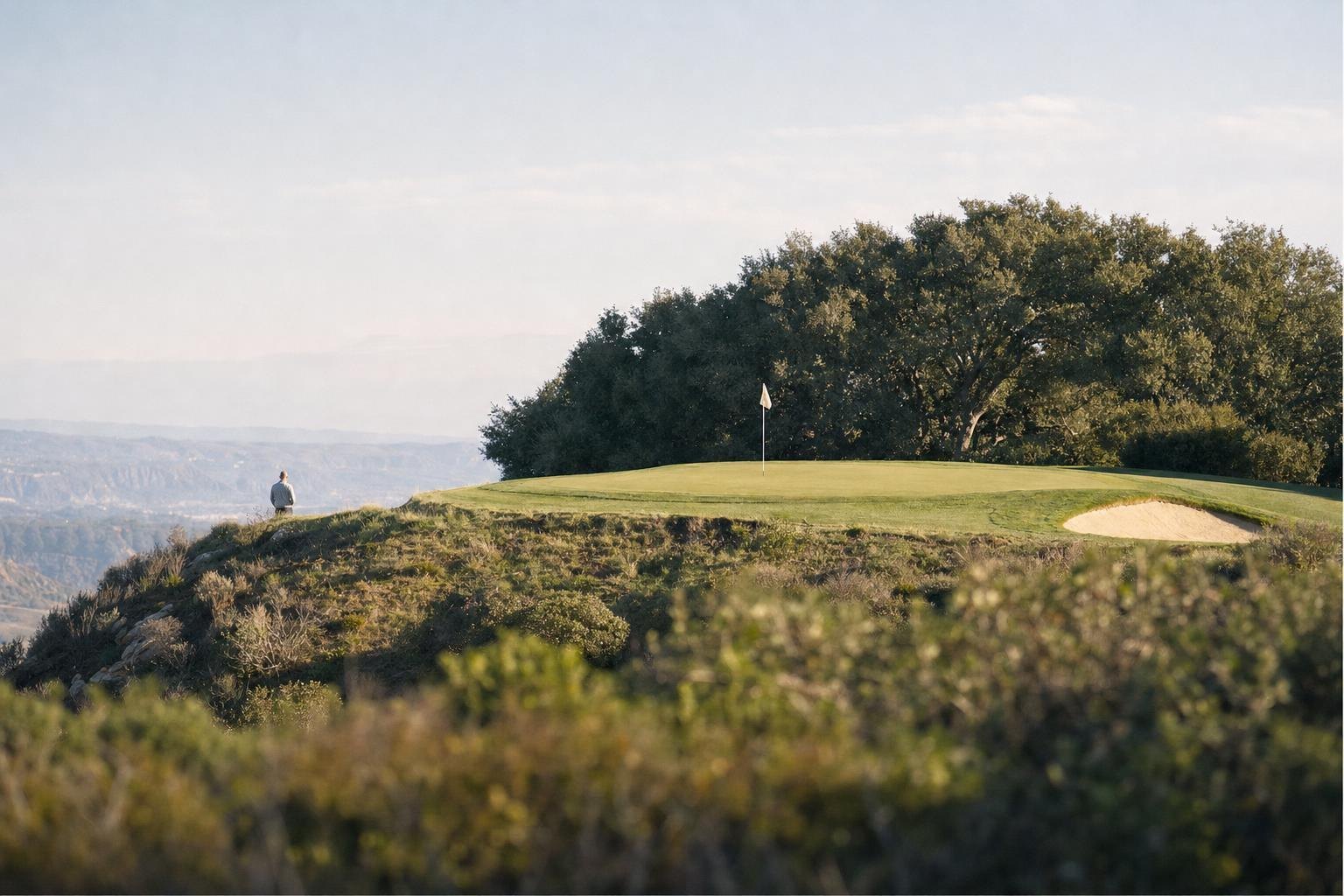
The shortest hole on the course, a par 3 played across the mesa, with the same yardage from the white and green tees.
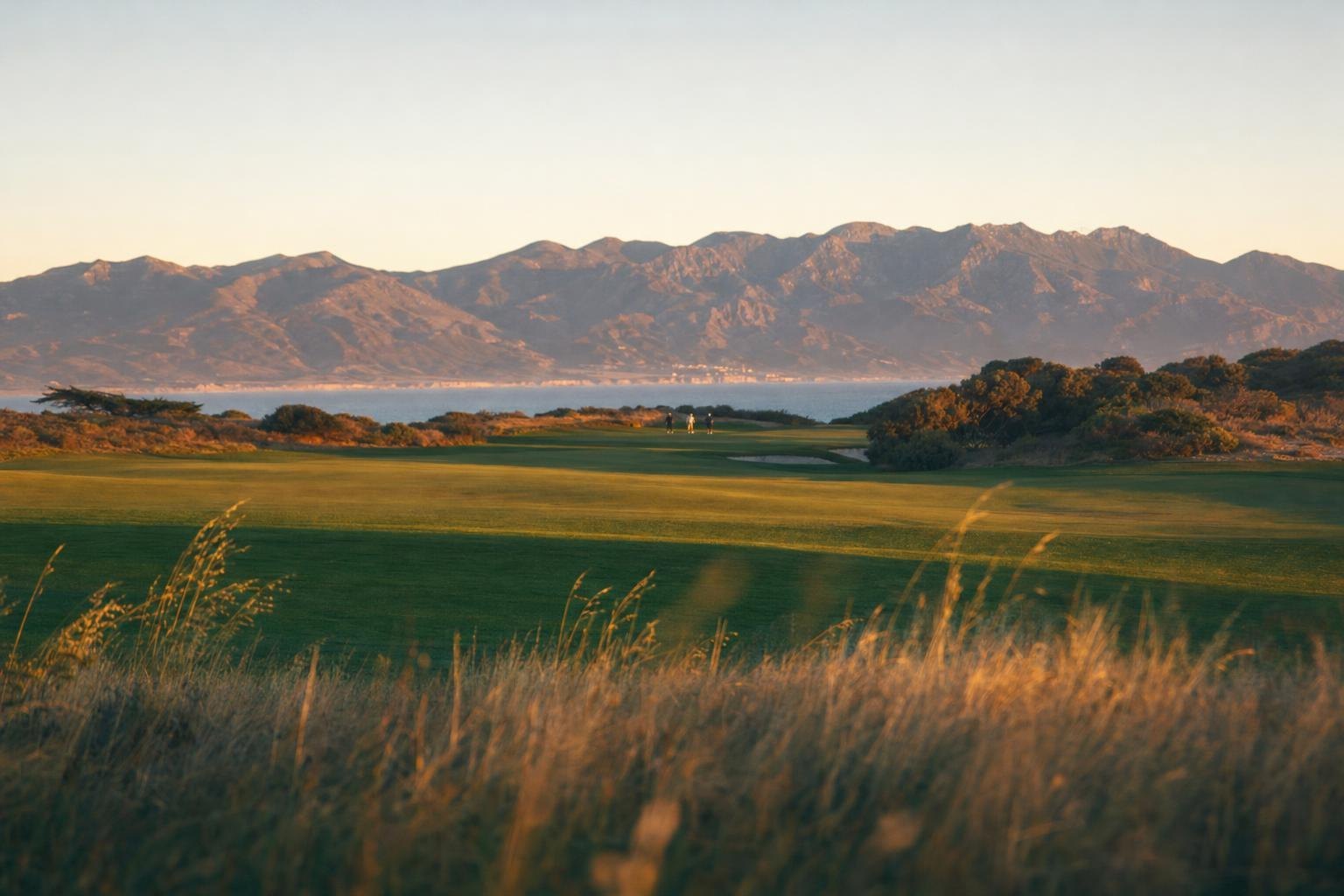
A par-5 finish named for the Los Padres National Forest on the horizon.
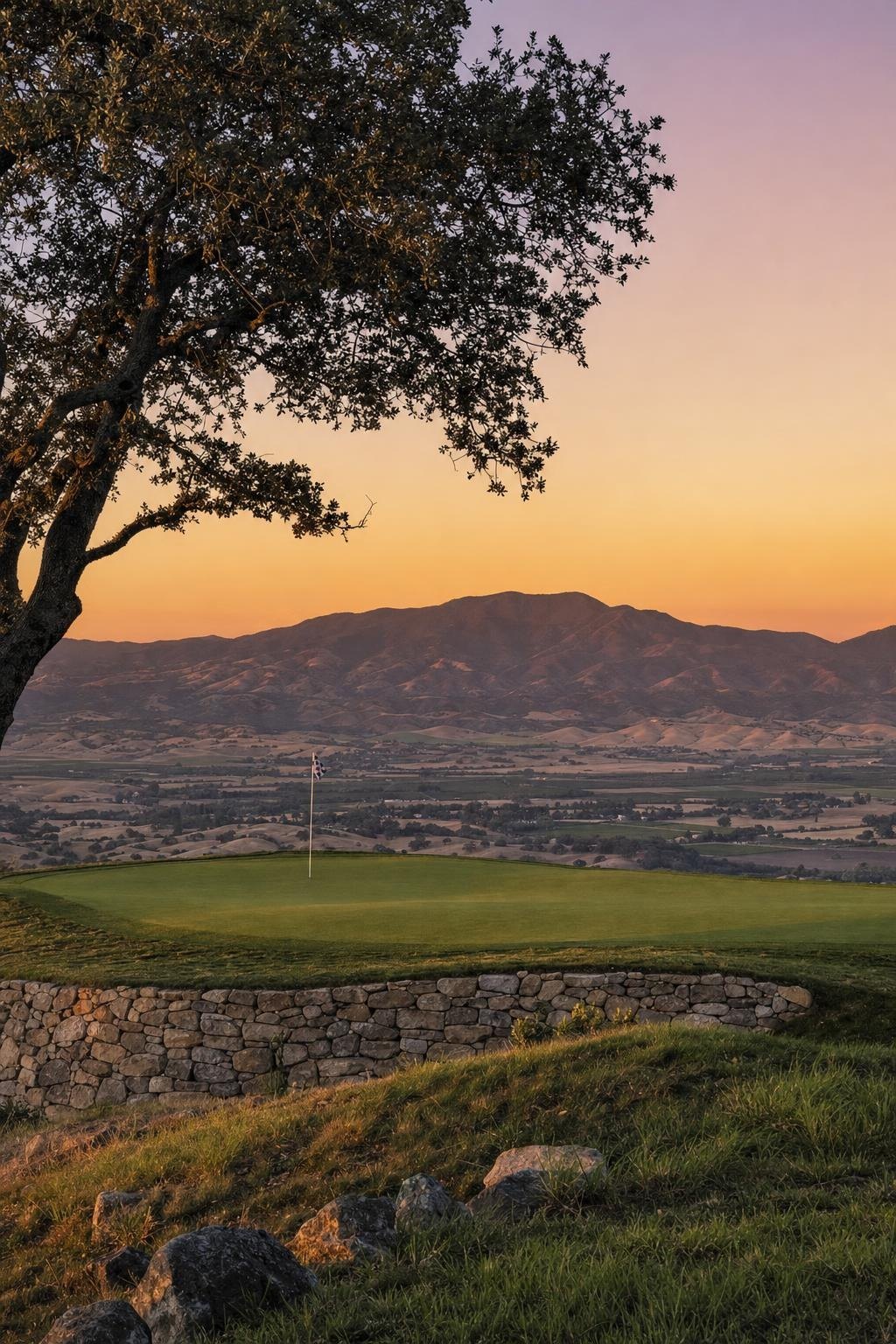
The course first opened its doors in 1998. Golf fans who follow the tours still compare odds at the best online sportsbooks for golf, but at Rancho San Marcos the stakes have always been a friendly Nassau on the back nine.
21+ · If you or someone you know has a gambling problem and wants help, call 1-800-GAMBLER.
The land is much older than the golf. According to the course’s own history, the ground served as an outpost of Mission Santa Barbara, named for Fray Marcos Amestoy, with a small chapel, a granary, vineyards and Chumash dwellings nearby. The ranch has long been associated with the date 1804, and the course carried that year in its own story. The grant that survives in the records is later: on 8 June 1846 Governor Pío Pico granted 35,573 acres to the brothers Nicholas and Richard Den, for $750 in gold.
After the Dens came drought, sale and stagecoaches. The Santa Ynez Turnpike, built by Chinese workmen in 1868, ran across the ranch as a toll road from 1869 to 1901. In 1938 Dwight Murphy bought 7,000 acres and bred palominos that rode in the Rose Bowl and Fiesta parades. In the mid-1950s Robert S. Odell took over, and his family ran cattle and hay on the land for more than forty years.
Then came the golf course, sales in 2001 and 2005, a renovation in 2007, the closure of 2020 and a sale in 2022. The full timeline is on the Rancho San Marcos history page. For the game in that sentence above, the Nassau rules page explains how three bets fit into one round.
Rancho San Marcos green fees, as listed by the course in October 2026, are simple:
A riding cart costs $20 for nine holes (for two players) and $40 for eighteen. A pull cart is $5, and on Friday to Sunday afternoons after 2 pm the course has listed a free cart. At the practice area, a putting-and-pin pass with a small bucket is $10, a small bucket alone is $10 and a large bucket is $22.
Those figures are a long way from the old daily-fee sheet. In 2019 the course charged $65 Monday to Thursday and $89 at weekends, with lower rates for tri-county residents. The older dress code asked for collared shirts, no denim and soft spikes, and it is worth dressing to that standard unless told otherwise.
A few practical points help a first visit go smoothly. The drive from Santa Barbara takes about half an hour over the pass. The pro shop number is (805) 683-6334. Bring water, because outside drinks and coolers are not allowed, and the cafe that once fed golfers is closed. Above all, check the day and time with the course before leaving, since the schedule has changed since the reopening. The green fees page keeps the full table with dates.
Rancho San Marcos is one stop in a county with an unusually varied set of public courses. Within an hour of the pass a golfer can play an oceanfront links-style course, a hard inland test with a slope rating over 140, a city course that has served local players since 1958 and a river course in Danish-style Solvang.
The Santa Barbara golf courses guide puts them side by side. Three of them get the most questions:
Glen Annie in the Goleta foothills and the River Course at the Alisal in Solvang round out the set. Glen Annie looks out over Goleta to the Pacific and the Channel Islands, and its page notes how briefly it closed in 2009 before reopening.
Pairing Rancho San Marcos with one of these makes sense for a visiting golfer. A morning nine above Lake Cachuma and an afternoon round at the coast covers both sides of the mountains in a single day, and the drive between them over Highway 154 is part of the appeal.
A nine-hole course changes the way a group plays. With fewer holes, the classic club side games get shorter and sharper, and some of them fit a nine better than an eighteen. The golf betting games guide collects the ones that work for twos, threes and fours, with stakes kept small and friendly.
The Nassau is the old standard. It splits the match into three bets: front nine, back nine and the full eighteen. On a nine-hole course played twice, the first loop and the replay make a natural front and back. Skins suits the shorter format too, because every hole is worth something and ties carry over.
For a group of four, Wolf is the most popular choice by a distance. The player in the Wolf spot tees off last, watches the others hit and then picks a partner or goes it alone. Skins is simpler and works with any number. For mixed-ability groups, Bingo Bango Bongo rewards being first on the green, closest to the pin and first in the hole, so a short hitter has as good a chance as anyone.
Agree on the rules on the first tee, write them on the card and settle up in the parking lot. That habit has kept these games friendly for decades.
Questions, answered.
Yes. Rancho San Marcos reopened in April 2025 after closing in 2020. As listed by the course in October 2026, it opens Wednesday to Sunday from 7 am to 4 pm, with nine holes in play. Players who want eighteen holes go around the nine twice. Days and hours change with the season, so check with the course before driving out on Highway 154.
As listed by the course in October 2026, nine holes cost $45 and eighteen holes cost $70, with a $25 replay rate and a $30 twilight nine on Wednesday and Thursday afternoons. A riding cart is $20 for nine holes and $40 for eighteen, and a pull cart is $5. Rates move, so confirm them with the pro shop before a visit.
Robert Trent Jones Jr. designed the course, which opened in January 1998 and was renovated in 2007 under Ty Warner. His routing climbs through three zones, from the valley floor and the Santa Ynez River up to a ridge above Lake Cachuma, and keeps old oaks, adobe ruins and the line of the original stagecoach trail in play.
The course is at 4600 Highway 154 (CA-154), Santa Barbara, CA 93105, on the San Marcos Pass road between Santa Barbara and the Santa Ynez Valley. Older course material described it as about fifteen minutes from the Santa Barbara beaches in one direction and fifteen minutes from Santa Ynez and Solvang in the other.
Nine. The reopened course plays a nine-hole card of 3,501 yards from the back tees, par 35, and the general manager has said he expects it to stay at nine holes. The original eighteen-hole card, par 71 and 6,939 yards from the black tees, still describes the full routing that opened in 1998.
Davy's Stable Cafe, the lunch spot known for tri-tip barbecue, is no longer operating. The reopened course has spoken about plans for food and beverage, but nothing is promised here. For a meal, the towns of Santa Ynez, Los Olivos and Solvang are a short drive west, and Santa Barbara is about half an hour back over the pass.
Rancho San Marcos sits in some of the most visited country in Santa Barbara County, and a round fits easily into a longer day.
Lake Cachuma is the reservoir right next to the course along Highway 154, and the ridge on the original routing looks straight down on it. The lake is the most searched-for landmark on this stretch of road, and many people drive the pass for it alone on a weekend, with or without golf clubs in the car.
West of the lake the road drops into the Santa Ynez Valley. The towns of Santa Ynez and Los Olivos are known for tasting rooms and small restaurants, and Solvang, with its Danish-style main street, is about fifteen minutes from the course. The River Course at the Alisal is in Solvang, so the valley can easily be a two-course trip.
The ranch history sits along the drive too. The Odell family ran cattle and hay on this land for more than forty years, and the stagecoach route recalled by the 17th hole crossed the same country. For the long version of that story, start with the history of the ranch and the course; for a round today, check the course overview and the current days and hours before setting out over the pass.
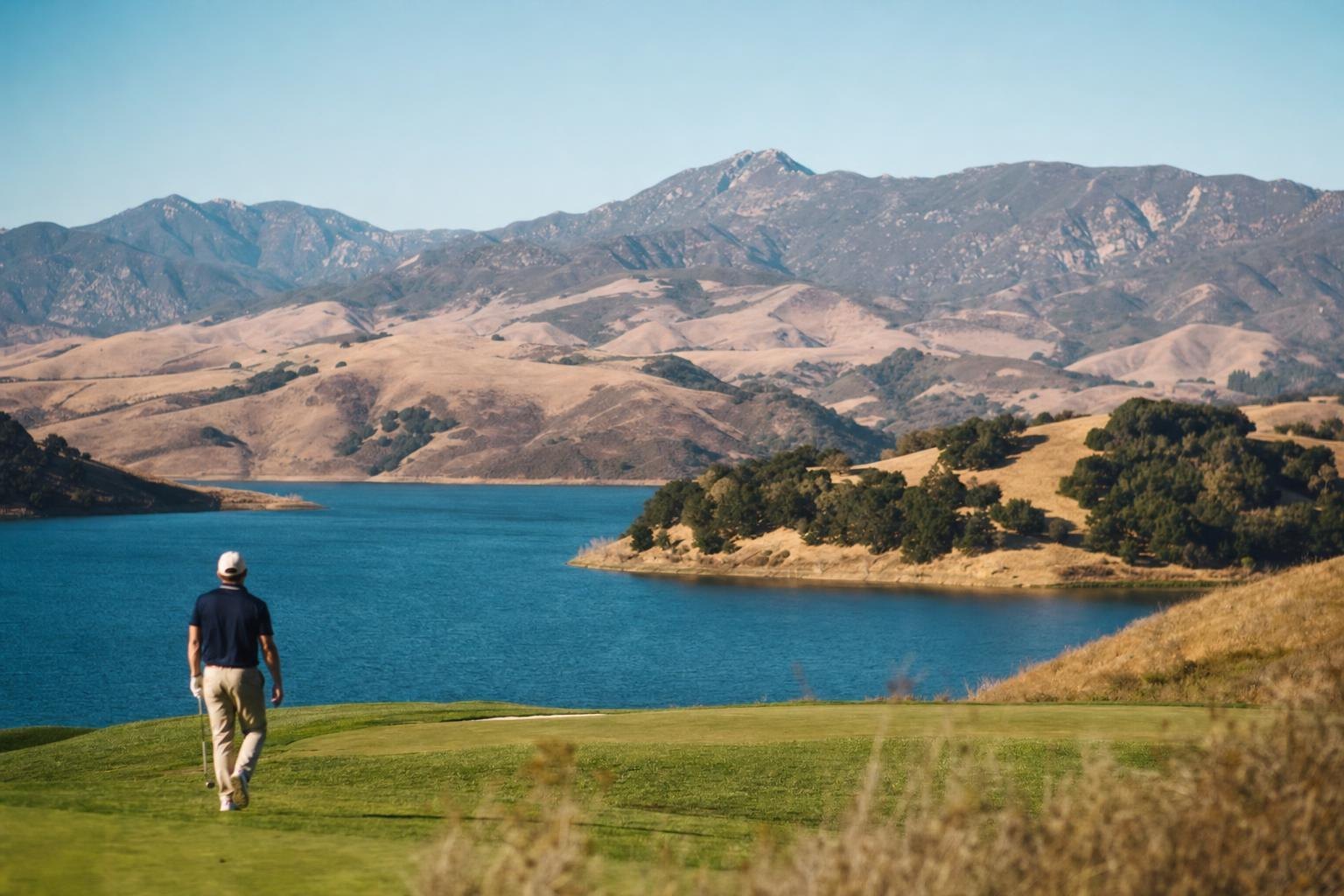
The reservoir just up Highway 154, with trails and a campground.
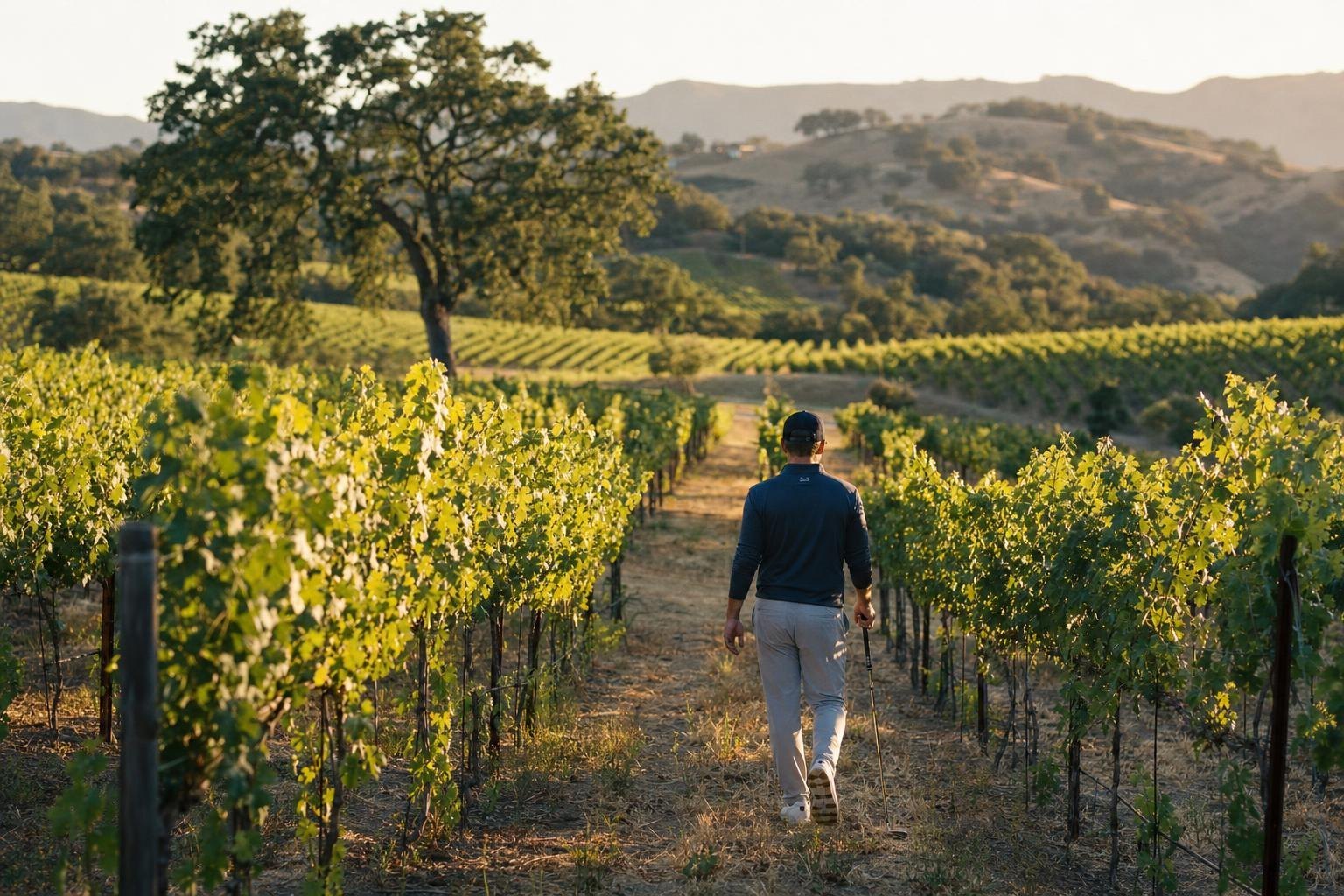
Santa Ynez, Los Olivos and Solvang tasting rooms on the way home.
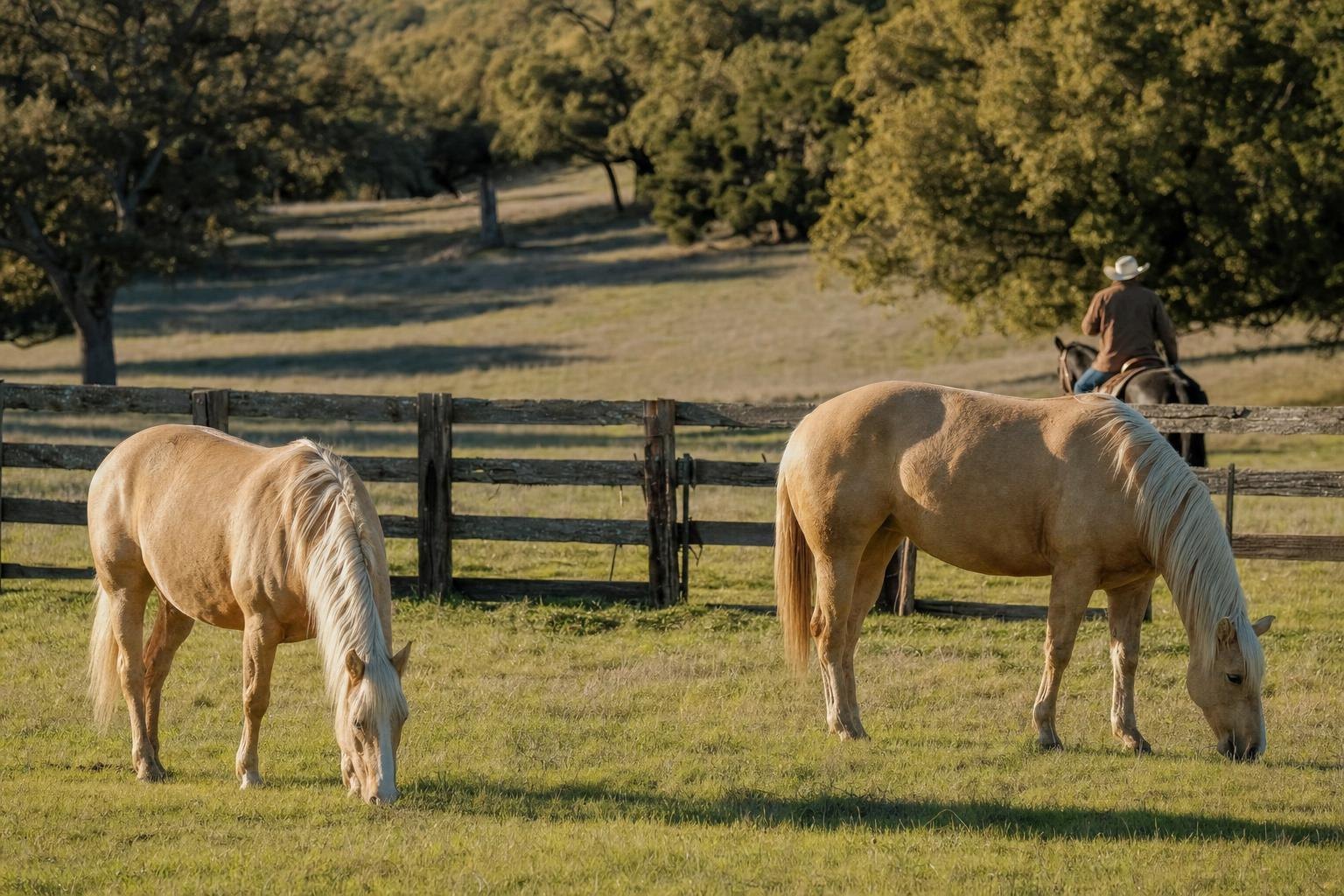
Cattle country, horses and the old stagecoach road over the pass.